Introduction – Advanced Orthopedic Care for Menisci Repair
The menisci are critical structures within the knee that act as shock absorbers, stabilizers, and protectors of the joint surfaces. Damage to the menisci can lead to pain, swelling, and difficulty performing everyday activities like walking, squatting, or climbing stairs. At our clinic, Dr. Nandakumar Natarajan, an experienced orthopedic surgeon, leads the Menisci Repair program, providing advanced orthopedic care tailored to each patient’s unique knee condition.
Every patient undergoes a detailed assessment of the knee joint meniscus anatomy to determine the most suitable repair approach. Using minimally invasive arthroscopic techniques, the surgery is designed to restore intact menisci, improve joint stability, and preserve long-term knee function while minimizing downtime and promoting faster recovery.
Understanding Menisci Repair Surgery
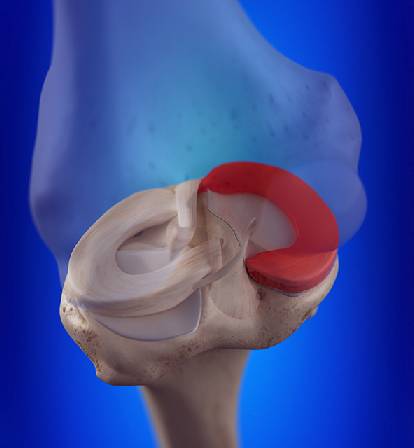
Menisci repair surgery involves repairing torn or damaged meniscal tissue in the knee to restore its natural function. The menisci of the knee, including the lateral menisci, are essential for distributing weight and protecting the joint cartilage from excessive wear. Preserving these structures is critical for preventing early arthritis and maintaining optimal knee function.
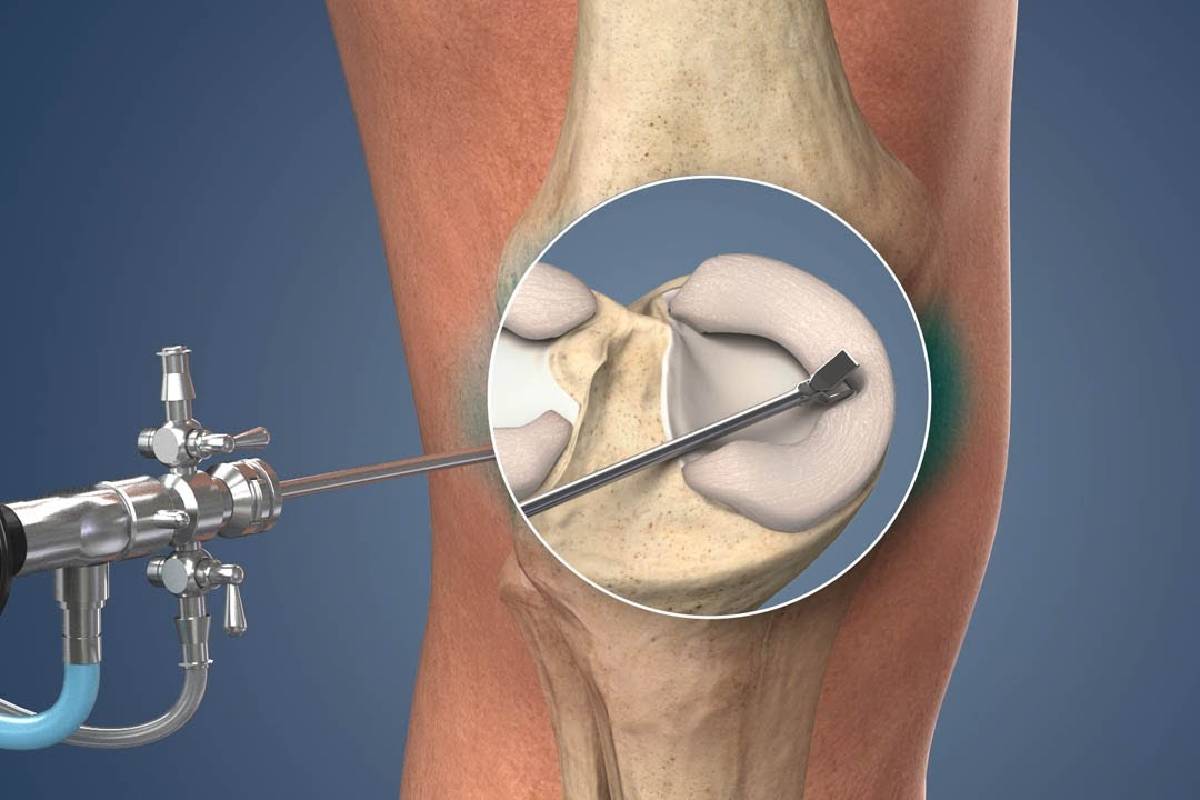
In cases where the meniscus is severely torn, arthroscopic repair is preferred over complete removal. This procedure uses small incisions and specialized instruments to repair the meniscus, preserving as much natural tissue as possible. Modern techniques ensure precise repair, reduced post-operative pain, and faster return to daily activities.
Common Reasons for Menisci Repair Surgery
- Torn meniscus due to sports or trauma
- Persistent knee pain and swelling
- Loss of knee stability and function
- Degeneration of the lateral meniscus
- Failed conservative treatments such as physiotherapy or medications
Who Should Consider Menisci Repair
Menisci repair is recommended for individuals with meniscal tears causing pain, swelling, or knee instability that limits daily activities or sports performance. Even partial tears may need repair to prevent further joint damage and maintain knee health.
Patients are evaluated individually, considering age, activity level, tear location, and overall knee condition. Lateral meniscus anatomy and the type of tear determine the surgical approach, ensuring the procedure restores knee function effectively while preserving as much healthy tissue as possible.
Candidates Include
- Athletes with sports-related knee injuries
- Active individuals with persistent knee pain
- Patients with recurrent swelling or instability
- Individuals with lateral meniscus tears
- Those seeking long-term knee joint preservation
Why Choose Our Clinic for Menisci Repair
Choosing the right orthopedic clinic is crucial for successful menisci repair. Our clinic emphasizes advanced orthopedic care, precise surgical planning, and personalized patient guidance to ensure optimal outcomes.
Patients benefit from minimally invasive arthroscopic techniques, clear communication about recovery expectations, and structured post-operative rehabilitation programs. With expert care, menisci repair surgery in Nanganallur helps restore knee function while protecting the joint for years to come.
What Patients Appreciate
- Personalized surgical planning
- Minimally invasive arthroscopic procedures
- Detailed explanation of knee joint meniscus anatomy
- Post-surgery physiotherapy guidance
- Comprehensive follow-up and long-term care
How Menisci Repair Surgery Is Performed
Menisci repair is performed arthroscopically using small incisions and a tiny camera to visualize the knee joint. Specialized instruments are used to stitch or reattach torn meniscal tissue, preserving as much intact menisci as possible.
The procedure is designed to minimize tissue trauma while ensuring proper healing. Accurate repair of the lateral meniscus and other meniscal structures is essential to restore stability, distribute joint forces effectively, and reduce the risk of future degeneration.
Surgical Focus Areas
- Precise meniscus repair
- Preservation of intact menisci
- Minimal tissue disruption
- Restoration of knee joint stability
- Prevention of long-term joint damage
Pre-Surgery Care
Proper pre-surgery preparation is key to achieving optimal results from menisci repair. Patients are guided on exercises to strengthen the muscles around the knee, improve flexibility, and optimize overall health.
Education about the procedure, recovery timeline, and post-operative rehabilitation empowers patients to actively participate in their healing. Well-prepared patients often experience faster recovery, reduced pain, and better long-term knee stability.
Pre-Surgery Preparation Includes
- Comprehensive medical evaluation and imaging
- Strengthening exercises for knee muscles
- Education about menisci repair surgery
- Pain management planning
- Health optimization advice
Post-Surgery Recovery and Rehabilitation
Recovery after menisci repair surgery requires commitment to physiotherapy, mobility exercises, and follow-up care. Early movement and structured rehabilitation restore strength, flexibility, and proper knee function gradually.
Our clinic provides customized post-operative programs and monitors progress closely. Following the prescribed rehabilitation plan allows patients to regain confidence, return to daily activities, and prevent future injuries, ensuring the knee joint remains healthy over time.
Recovery Focus Areas
- Physiotherapy and strengthening exercises
- Pain and swelling management
- Gradual weight-bearing and mobility training
- Regular progress assessments
- Long-term knee health maintenance
Long-Term Benefits of Menisci Repair
Menisci repair preserves knee function, alleviates pain, and reduces the risk of future joint degeneration. Patients often experience improved mobility, stability, and performance in sports and daily activities after full recovery.
Long-term success is achieved by adhering to post-surgery guidance, performing regular exercises, and protecting the joint. Preserving intact menisci and lateral meniscus integrity helps maintain proper knee biomechanics and prevents early osteoarthritis.
Long-Term Benefits Include
- Pain relief and improved mobility
- Restored knee stability
- Protection of cartilage and joint surfaces
- Prevention of further meniscus damage
- Enhanced long-term knee function
Importance of Choosing an Experienced Menisci Repair Specialist
Experience is critical in menisci repair surgery. A skilled orthopedic surgeon ensures accurate diagnosis, precise arthroscopic repair, and a structured rehabilitation plan for successful outcomes.
Choosing a qualified clinic with advanced techniques reduces complications, promotes faster recovery, and ensures long-term knee joint health. Expert guidance helps patients feel supported throughout their surgical journey.
Why Specialized Care Matters
- Accurate diagnosis of meniscus tears
- Precise arthroscopic surgical technique
- Reduced post-operative complications
- Structured rehabilitation and recovery plan
- Long-term preservation of knee function
Conclusion – Restore Knee Function and Stability
Meniscus injuries don’t have to limit your mobility or lifestyle. With advanced orthopedic care, precise arthroscopic repair, and structured rehabilitation, patients can regain knee stability, strength, and confidence.
Our clinic offers patient-centered menisci repair surgery in Nanganallur, combining surgical expertise with post-operative guidance to ensure optimal outcomes and lasting joint health.
If you are experiencing knee pain, swelling, or instability due to a meniscus tear, schedule a consultation with our clinic today to explore menisci repair surgery and take the first step toward a strong, stable, and pain-free knee.
FAQs – Menisci Repair Surgery
Meniscus repair is generally considered a minimally invasive procedure, as it is usually done through arthroscopy. However, it is still a significant knee surgery that requires proper healing and rehabilitation.
Most patients can start walking with support within a few days after surgery. Full weight-bearing is usually allowed gradually, depending on the type of repair and the surgeon’s advice.
Meniscus surgery typically takes about 45 minutes to 1.5 hours, depending on whether it is a simple trim (meniscectomy) or a complete meniscus repair.
Pain and swelling are common in the first few days after surgery but are usually well controlled with medications and ice therapy. Most patients report the pain is much less than expected.
Recovery usually takes 3 to 6 months, as the repaired tissue needs time to heal. Physiotherapy plays a key role in restoring knee strength and movement.

